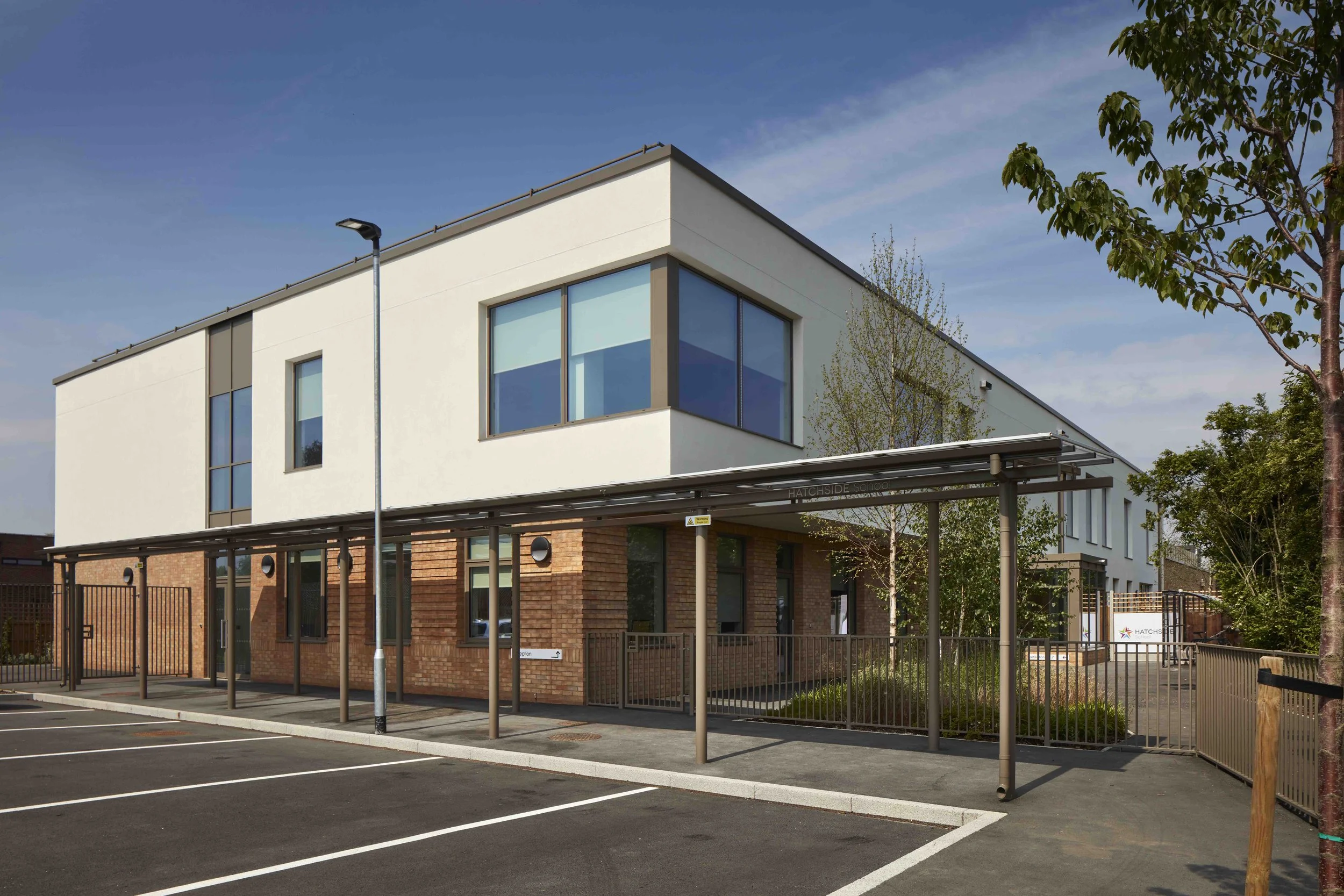
Hatchside SEND Primary School, Newbury Park, London
Located in Newbury Park within the London Borough of Redbridge, Hatchside School is a specialist SEND assessment facility designed to support pupils aged 2–7 with complex learning, communication and physical needs. Developed for Astrum Multi Academy Trust, the project focuses on creating an inclusive, nurturing and highly accessible environment that supports early assessment, therapy and learning during a critical stage of childhood development.

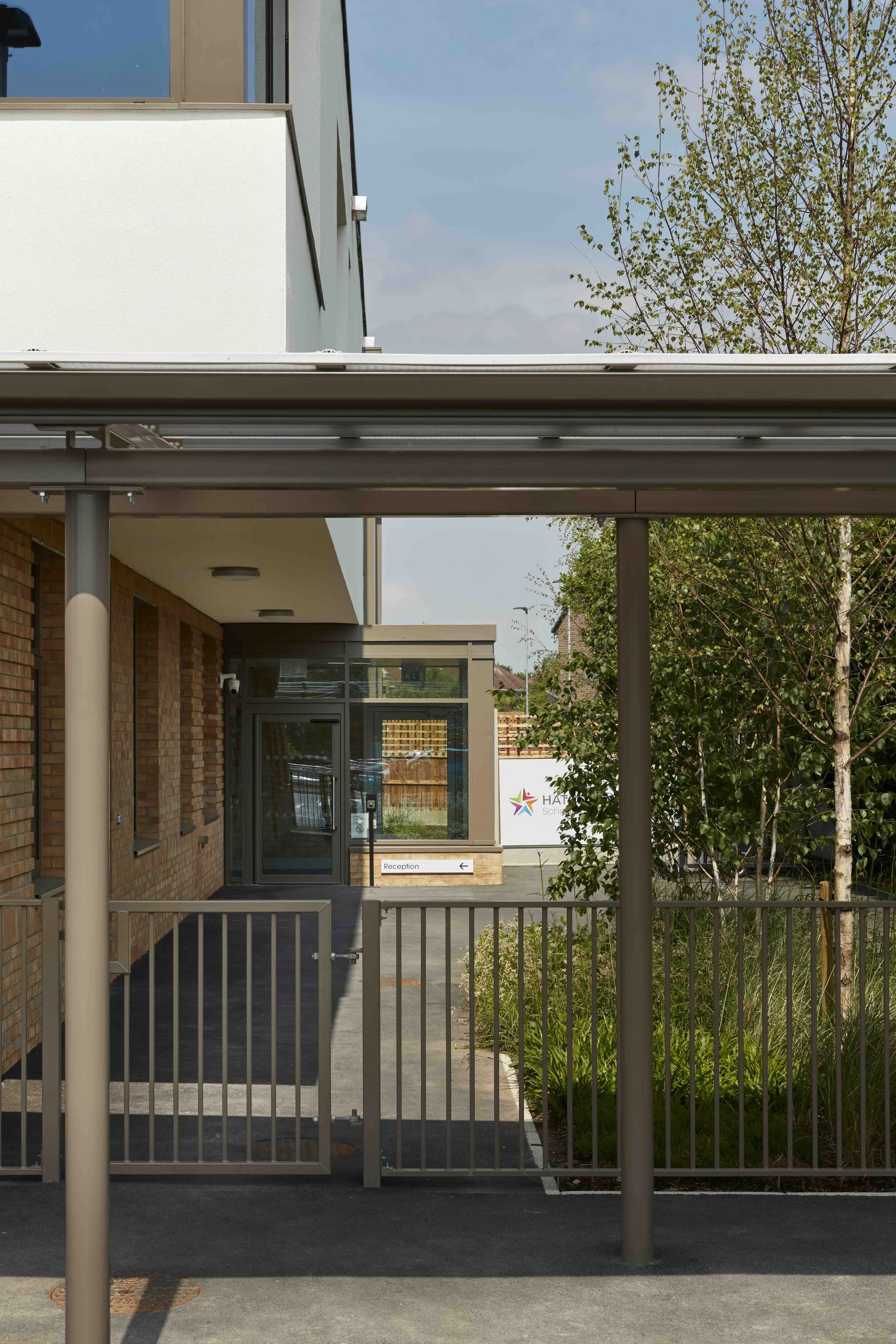

The architectural design responds to the specialised requirements of pupils with a wide range of disabilities, including mobility impairments, sensory sensitivities and communication challenges. A key design objective was to create a building that feels safe, calm and legible, enabling young children to navigate the environment with confidence while supporting staff supervision and collaborative working between education and healthcare professionals.
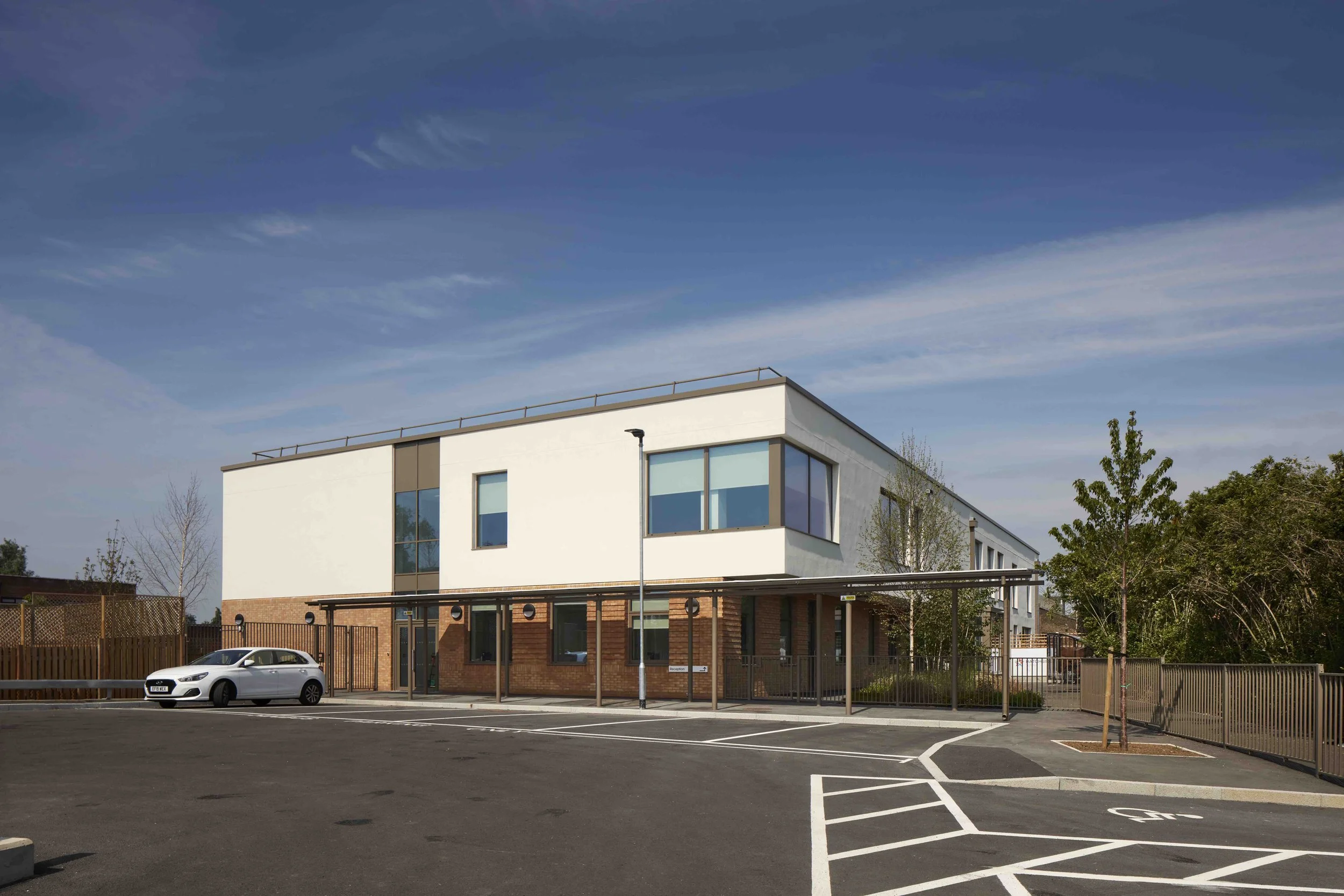
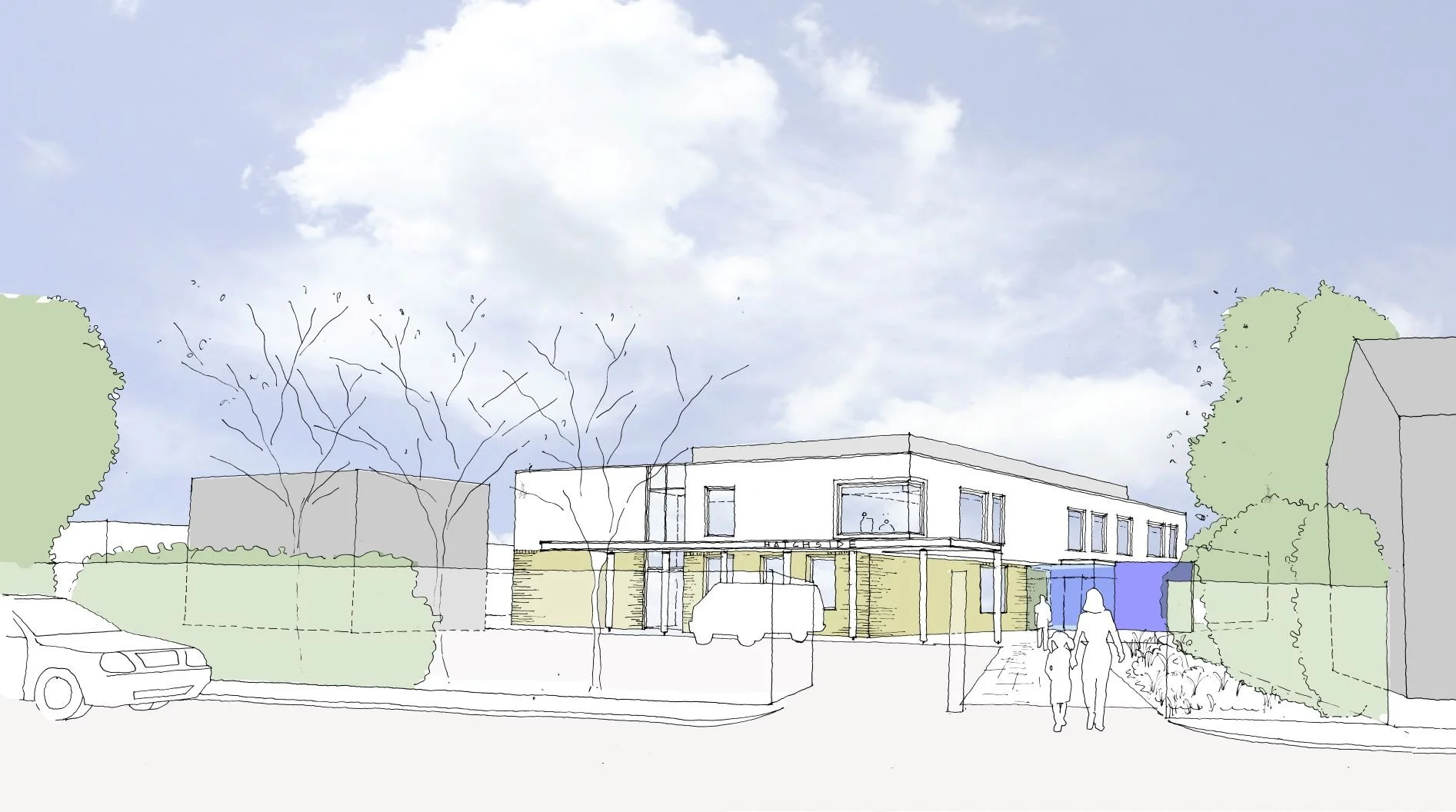
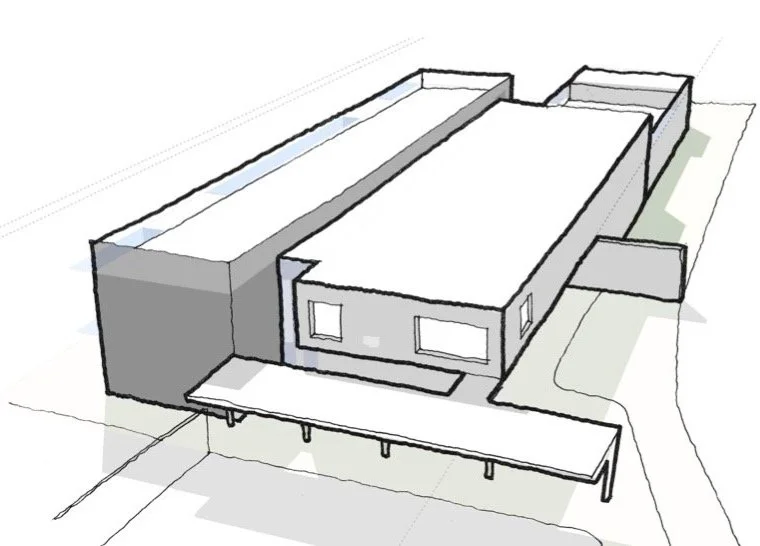
The building massing is intentionally broken into smaller articulated volumes, reducing the perceived scale of the school and creating a more approachable and child-friendly environment. Rather than presenting a large institutional form, the architecture uses varied roof profiles and stepped volumes to reflect the domestic scale of nearby residential buildings. This approach allows the school to integrate sensitively within the surrounding neighbourhood while maintaining a clear civic identity.
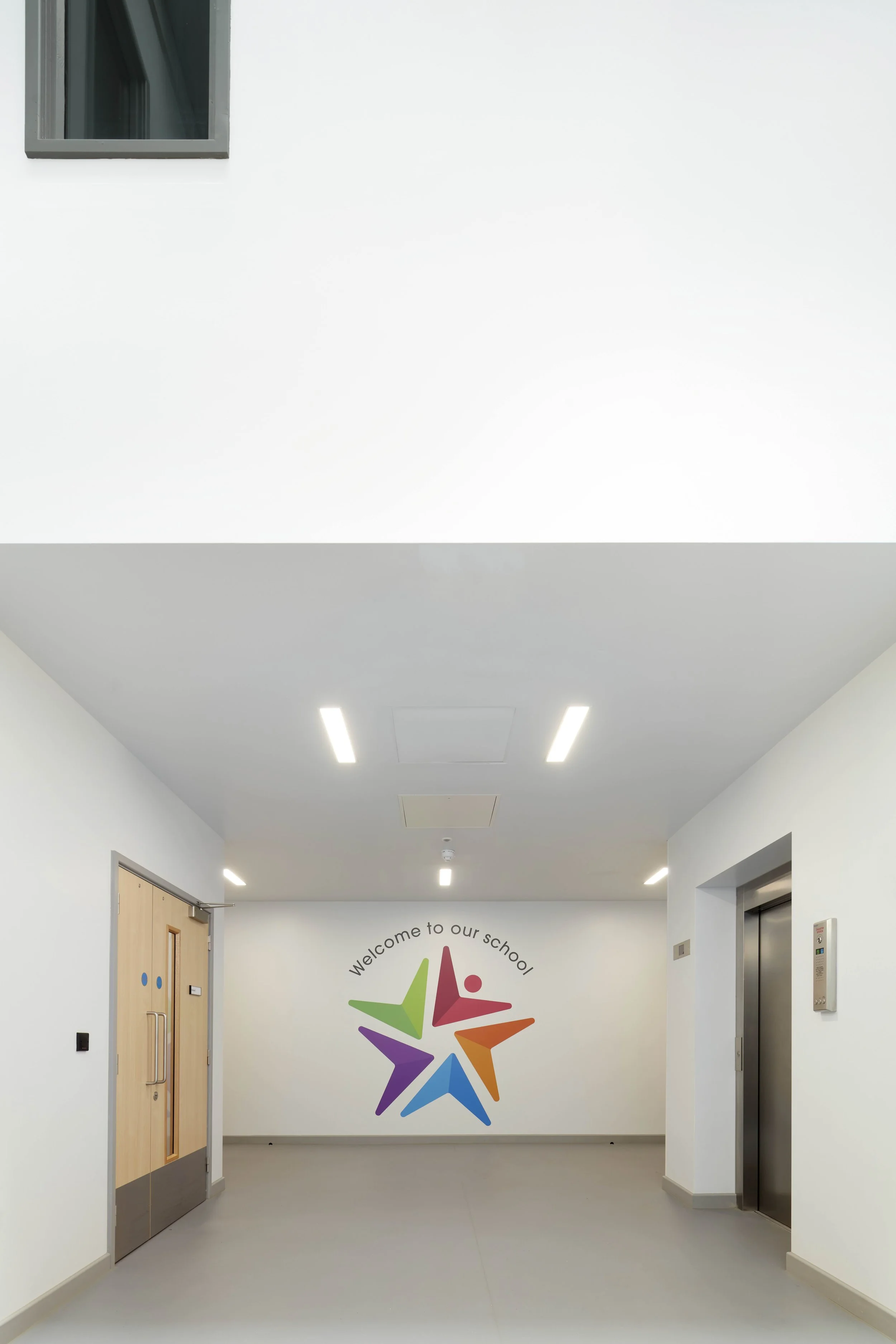


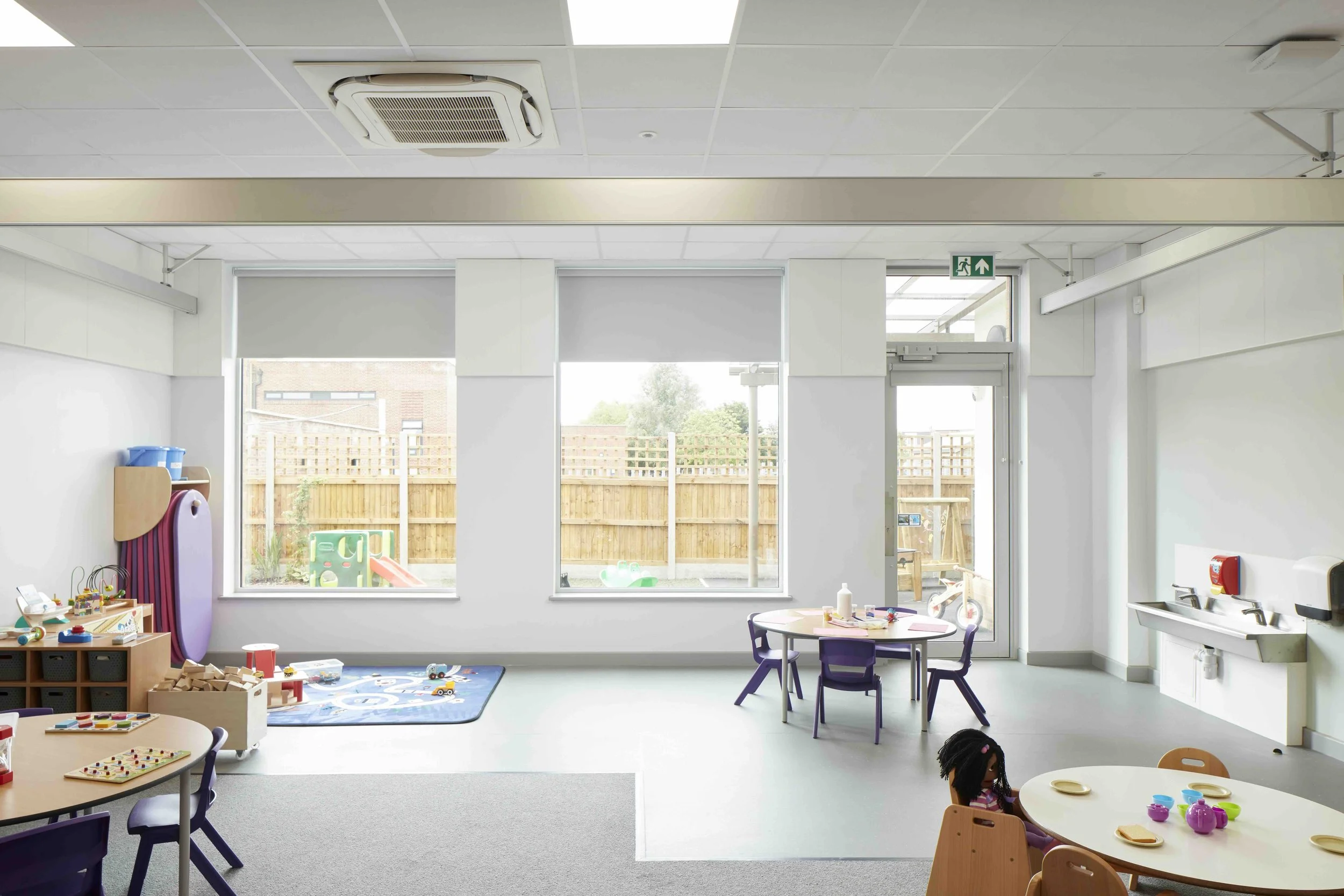
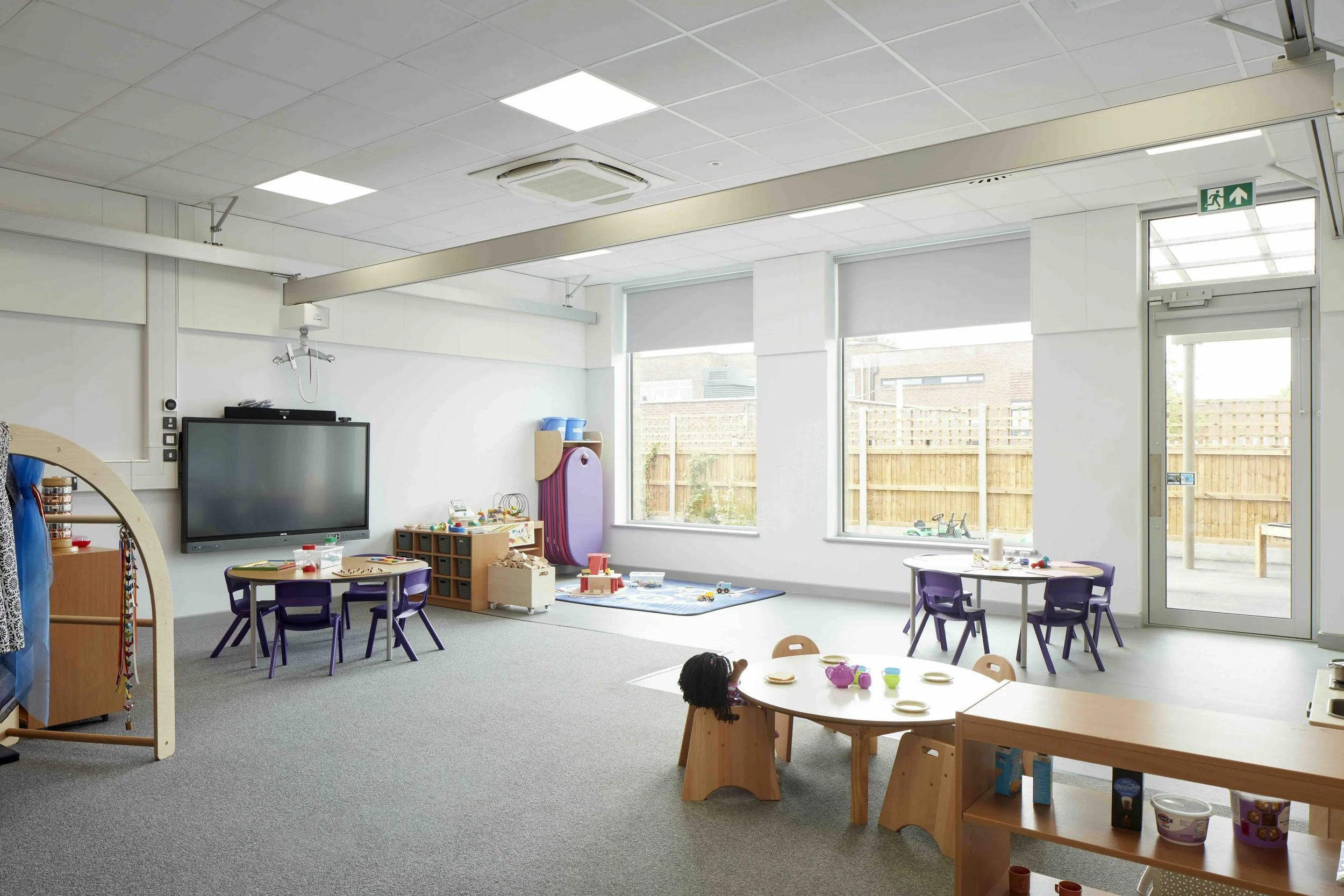
Internally, the spatial organisation prioritises clarity and accessibility. Circulation routes are designed to be wide, direct and easily understandable, supporting pupils who may use wheelchairs or require additional spatial awareness. Approximately half of the pupils are expected to be wheelchair users, meaning accessibility is embedded throughout the design - from level thresholds and generous turning spaces to carefully planned classroom layouts and specialist hygiene facilities.
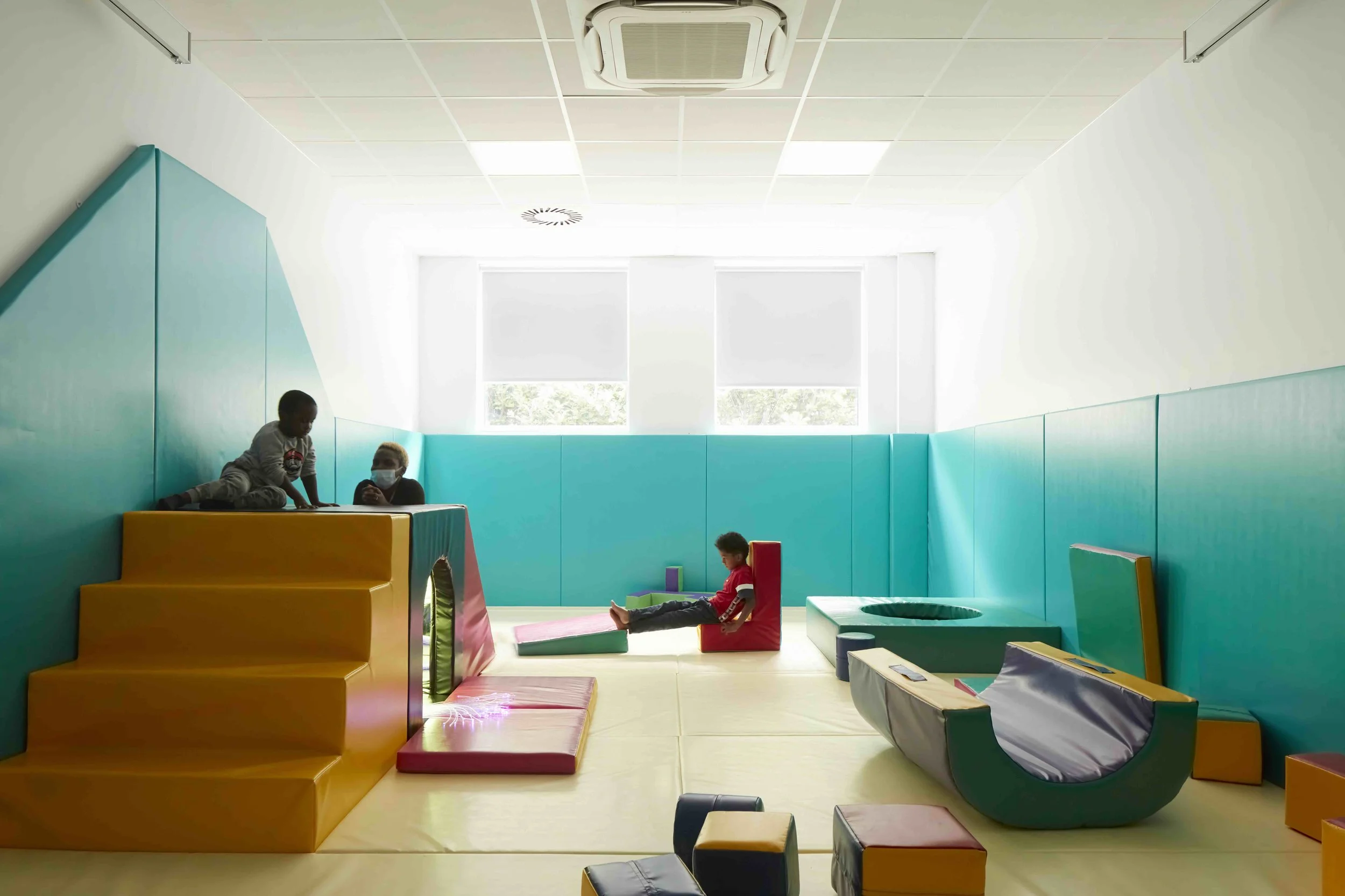
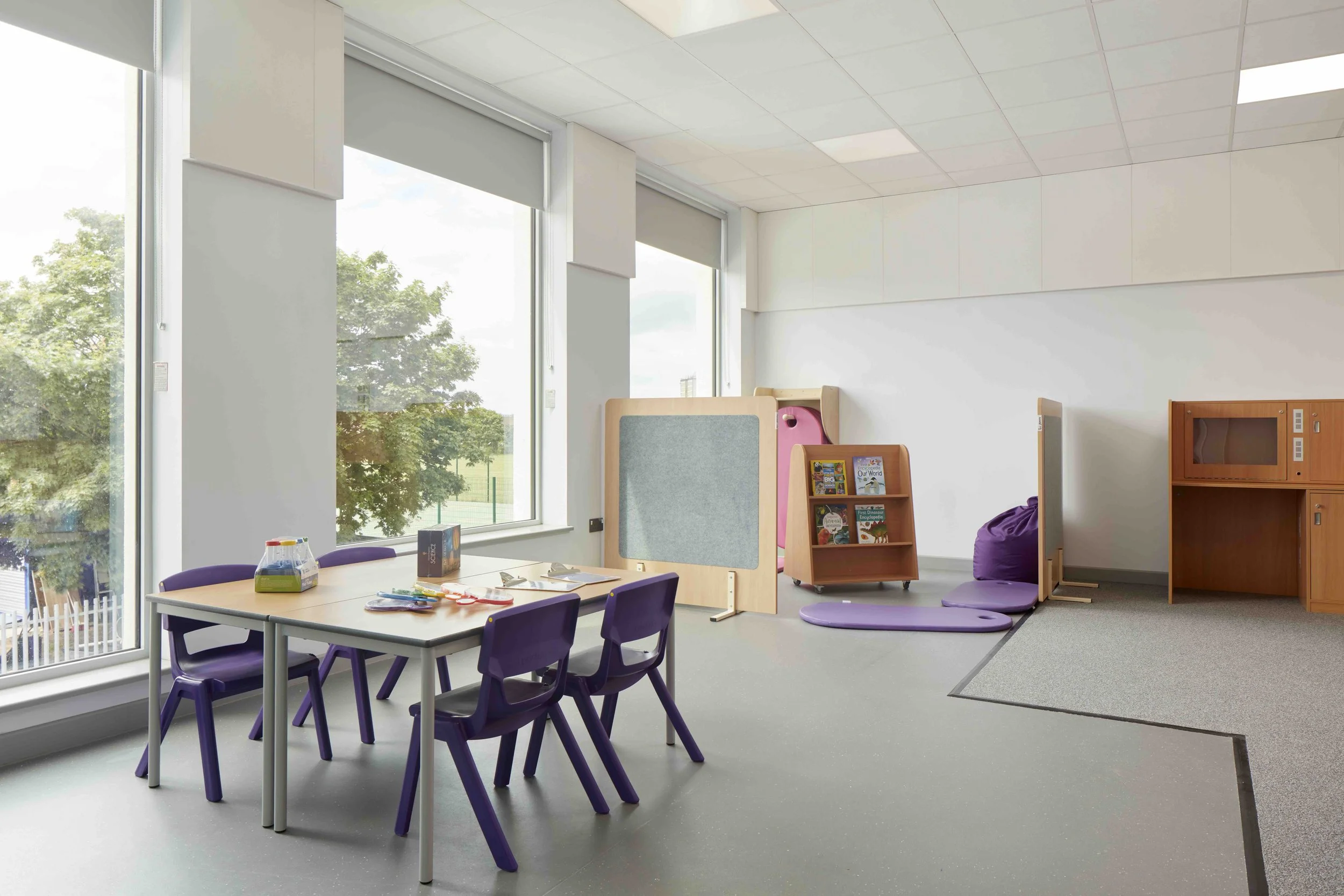
Learning environments are arranged to support both education and therapeutic activities. Classrooms are complemented by sensory rooms, therapy spaces and quiet retreat areas where pupils can regulate emotions or reduce sensory stimulation. These spaces are essential within SEND environments, helping to create a supportive atmosphere where children feel comfortable and secure. Visual connections between classrooms, corridors and external areas also improve supervision and orientation.

Material selection plays an important role in shaping the building’s character. The external façade combines brick masonry with areas of timber cladding, balancing durability with warmth and tactility. Brick provides a robust and contextually appropriate material that reflects the surrounding built environment, while timber introduces a softer, more welcoming quality suited to early-years education. The contrast between materials helps to articulate different parts of the building and avoids a purely institutional appearance.
Natural light is prioritised throughout the design to enhance wellbeing and create calm learning environments. Large windows allow daylight to enter classrooms and circulation areas, reducing reliance on artificial lighting and helping to support a comfortable internal atmosphere for pupils who may be sensitive to harsh lighting conditions.
Sustainability and long-term performance are also embedded within the project. The building incorporates energy-efficient building services and renewable technologies, including air-source heat pumps and photovoltaic panels, reducing operational energy use and supporting broader environmental objectives.
Overall, the architecture of Hatchside School demonstrates how thoughtful design can support specialised education environments. Through careful attention to accessibility, spatial clarity, material warmth and environmental performance, the project creates a supportive and inclusive setting that enables young pupils with SEND to learn, develop and receive early intervention in a safe and nurturing environment.



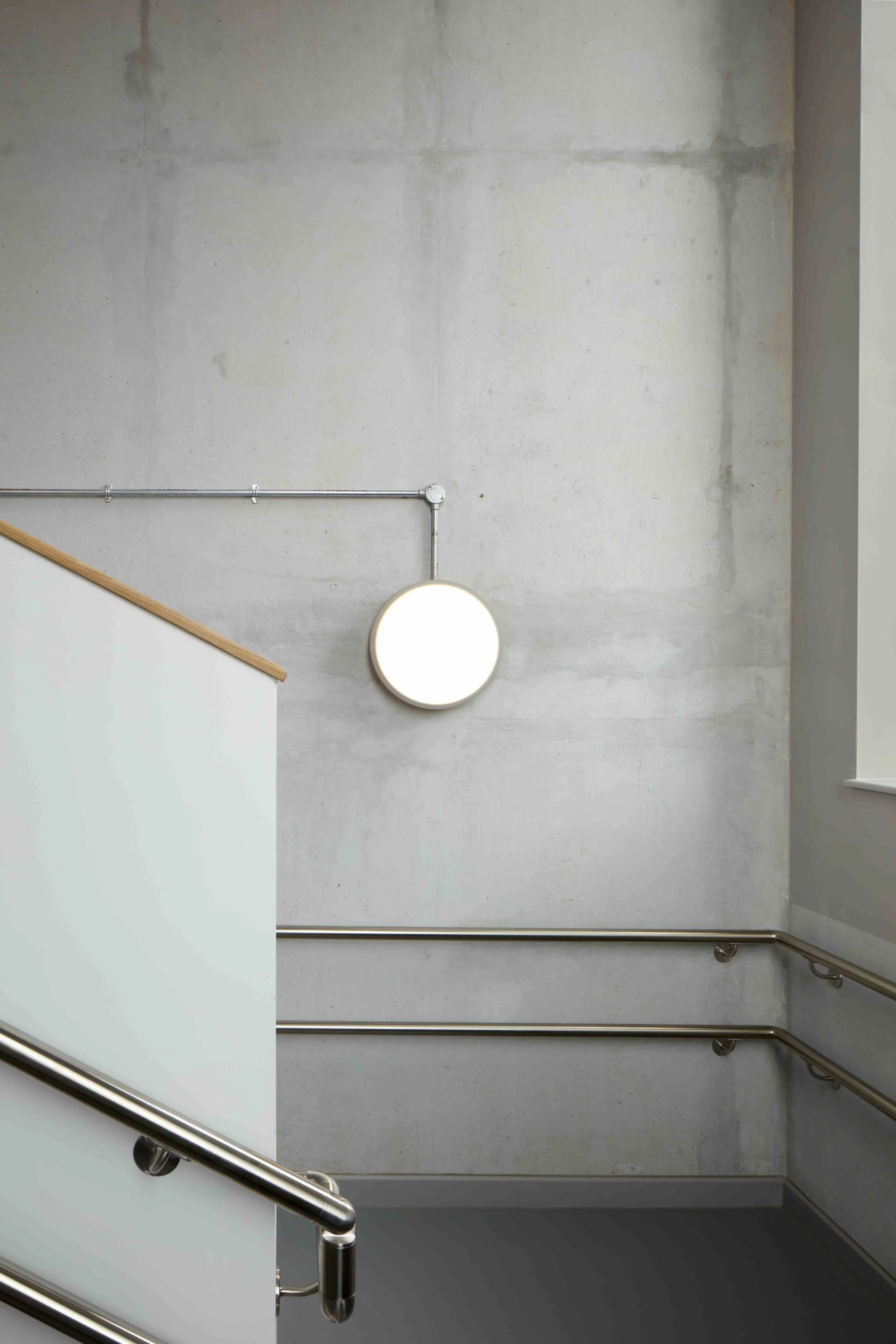


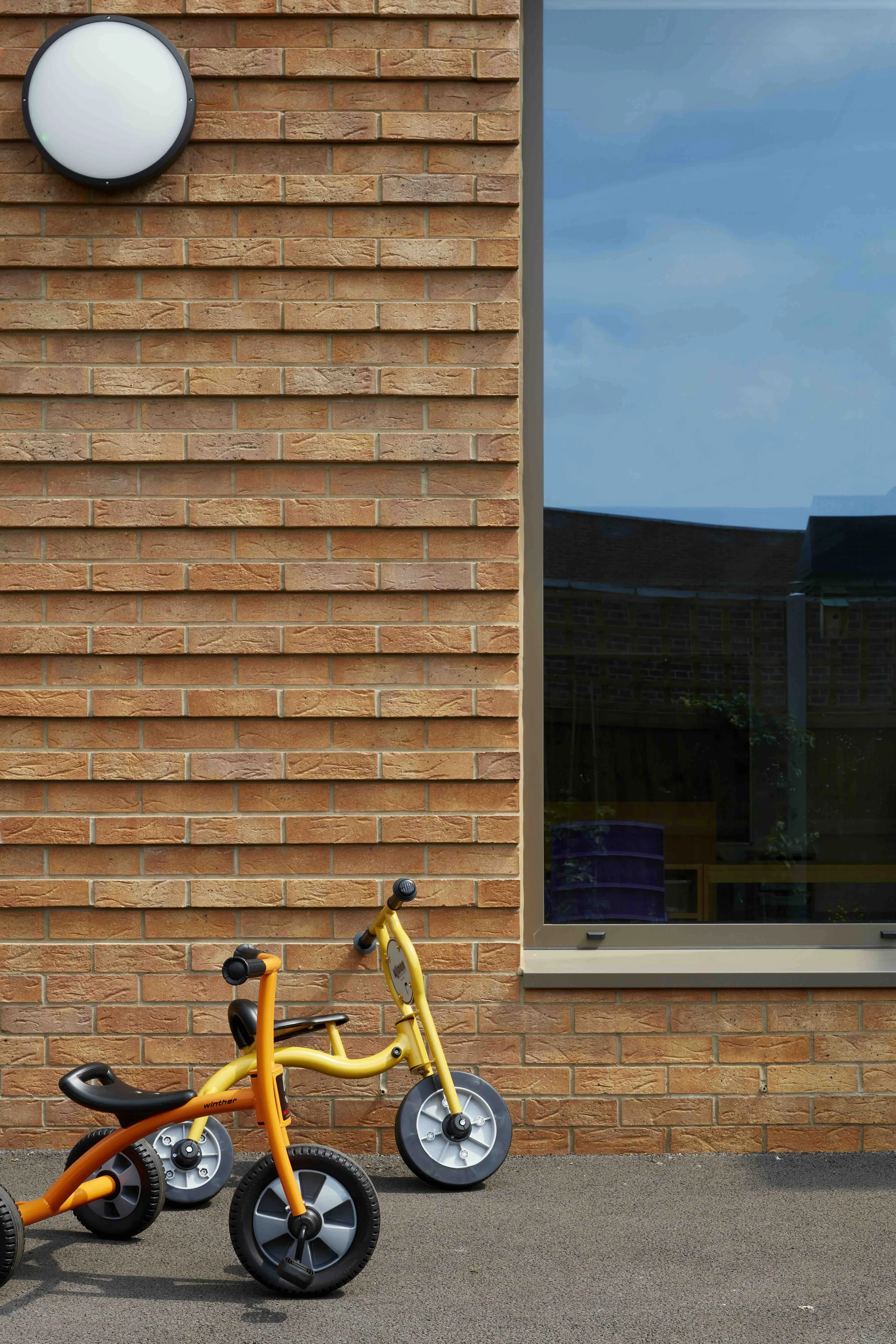


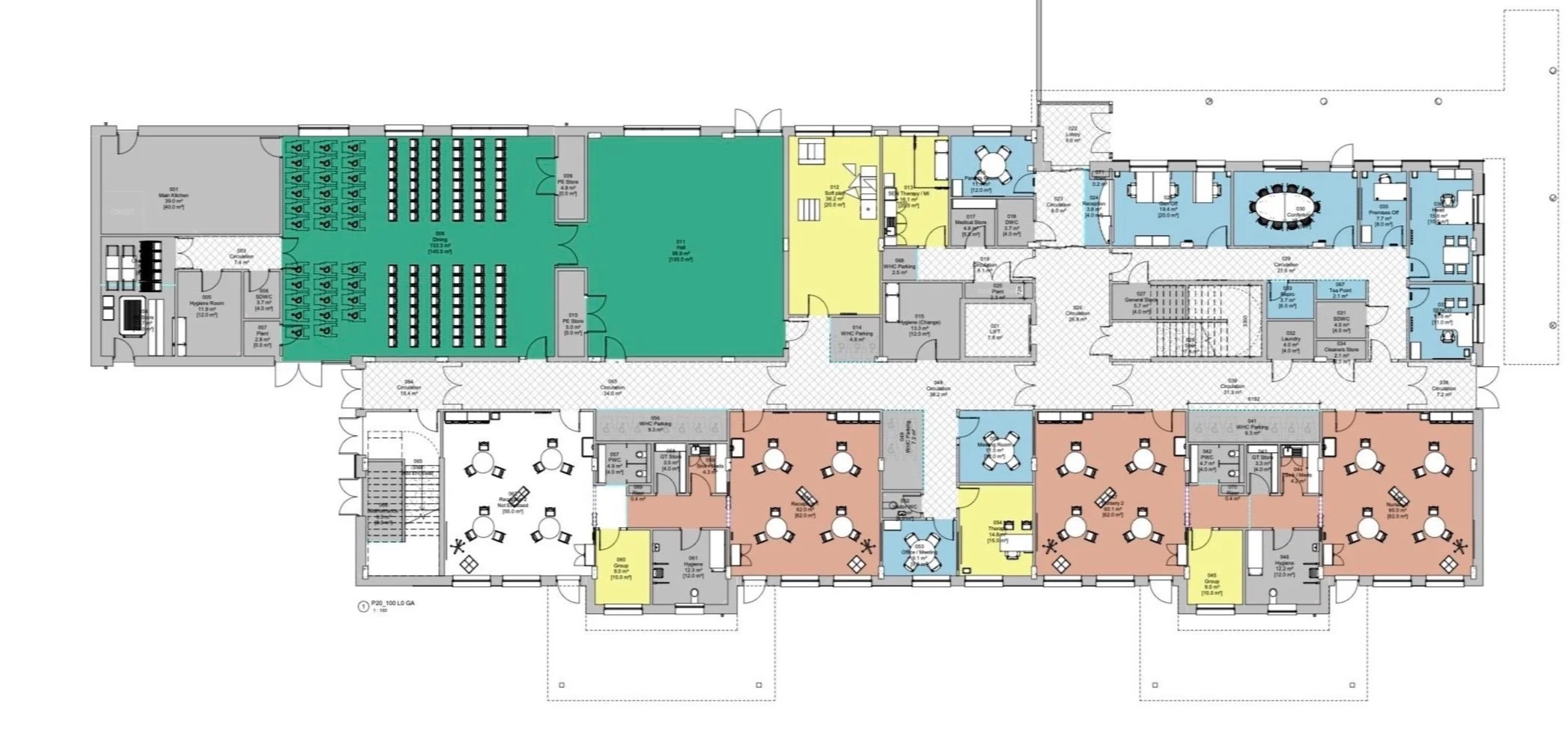
ground floor layout
first floor layout

sectional views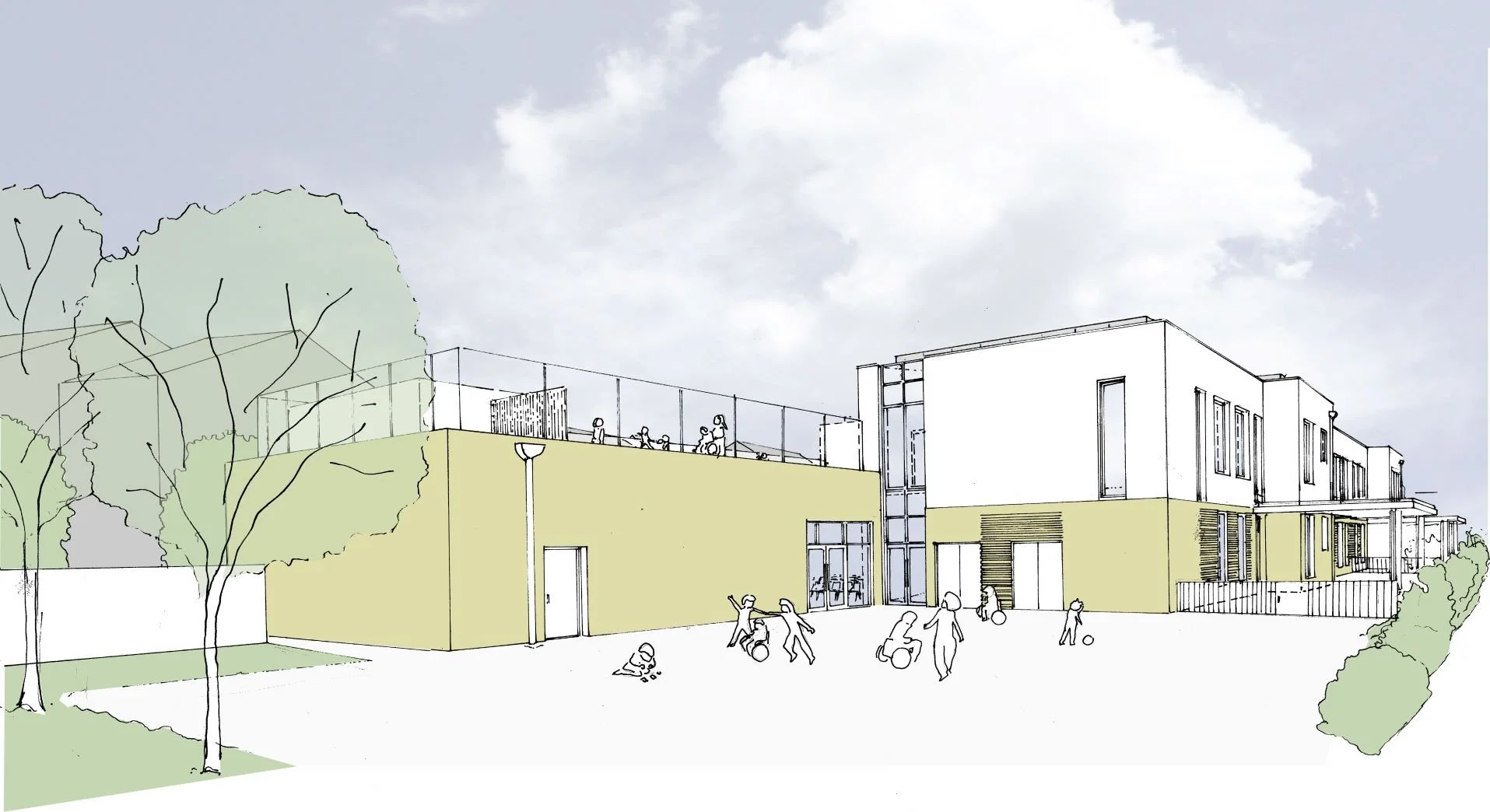
Description: Primary School (SEND)
Client: ISG & LB. Redbridge
User Client: Hatchside School
Value: £7m
Floor Area: 2,090SqM
Civils & Structures: Stance Group
MEP Eng.: Stantec Group
Fire Eng.: Bureau Veritas
Landscape Arch.: Standerwick Land Design
Principal Designer: Rock Townsend Architects
Photography: © Matt Clayton Photography
Status: completed summer 2021
RT Team: Joe Penn; Neeraj Chandi; Richard Sharp; Sally Thompson